
Archon Field Notes
Operating AI, from pilot to production.
Practical essays on managed AI workforces, search operations, governance, model strategy, and the dashboards enterprises need when AI is doing real work.

Agentic AI Use Cases: 12 Real Examples and 3 That Are Not
Most agentic AI use case lists are interchangeable. This one applies a test first, then runs twelve real deployments through it, and names three that are workflows wearing an agent costume.
Latest thinking
Built for the questions enterprise buyers ask before they move.
Gemini 4 Carbon is here: what it means for agent work
Google announced Gemini 4 Carbon, its strongest model, built for long-horizon agent work and cybersecurity defense. Access starts with a subset of cyber defenders through the Fairwind Program, with developers, businesses and consumers to follow. Introductory pricing is $2 per million input tokens and $10 per million output tokens.

Digital Transformation Consulting Services in the AI Era
Digital transformation consulting services now mean building and operating AI systems, not just recommending them. Here's what actually separates an advisory-only firm from one that stays to run what it builds, and the questions worth asking before you sign.

Intelligent Process Automation: What It Actually Is
Intelligent process automation adds a judgment layer to traditional automation, so a workflow can classify and route exceptions instead of failing on anything outside the rules. Here's what changes operationally, and how it differs from RPA.
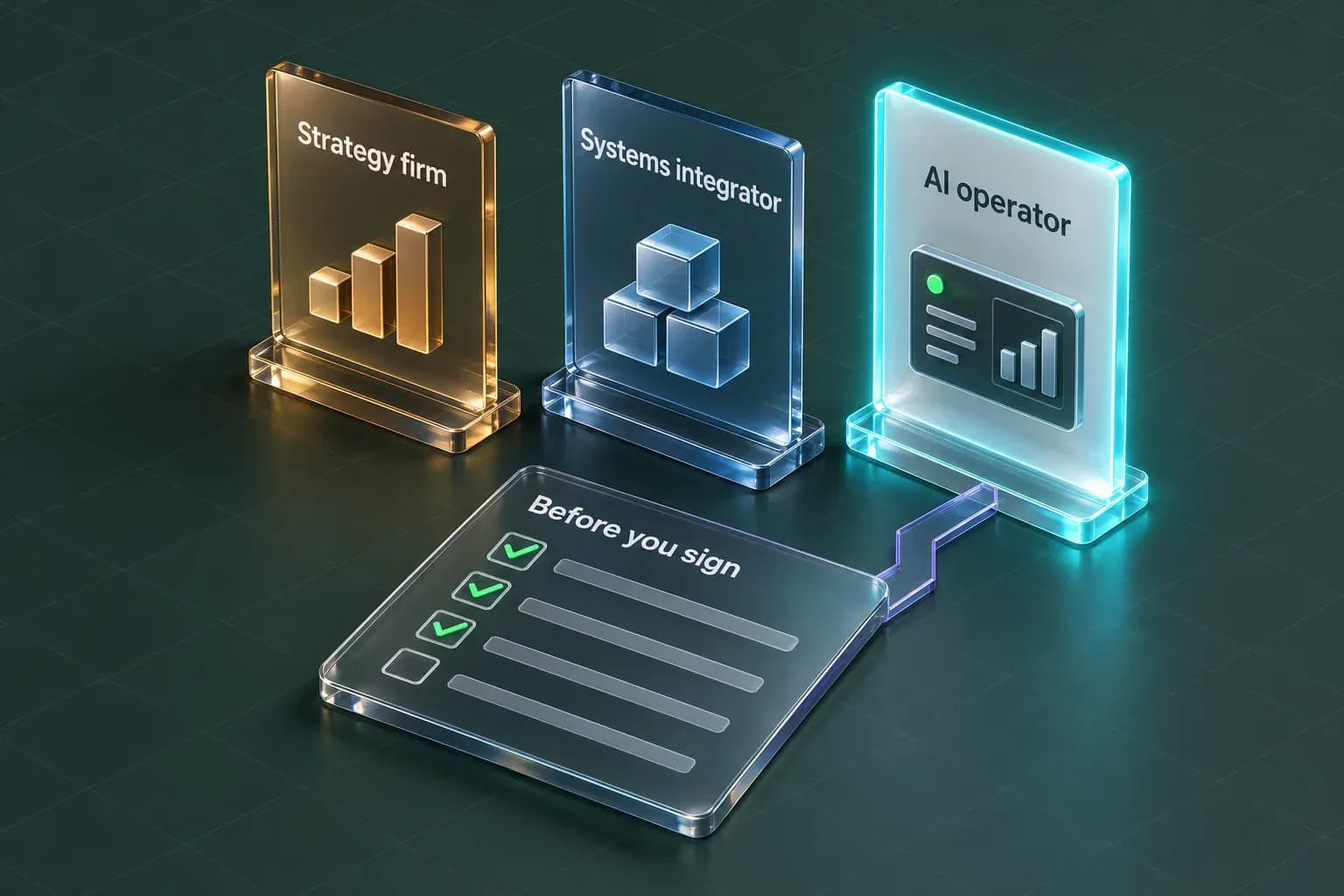
Top Software Consulting Firms for Artificial Intelligence Integration
The top software consulting firms for artificial intelligence integration are not the ones with the best strategy deck. They are the ones still operating the system six months after launch. Here is how the three types of firms competing for this budget differ, and the checklist to run before you sign.
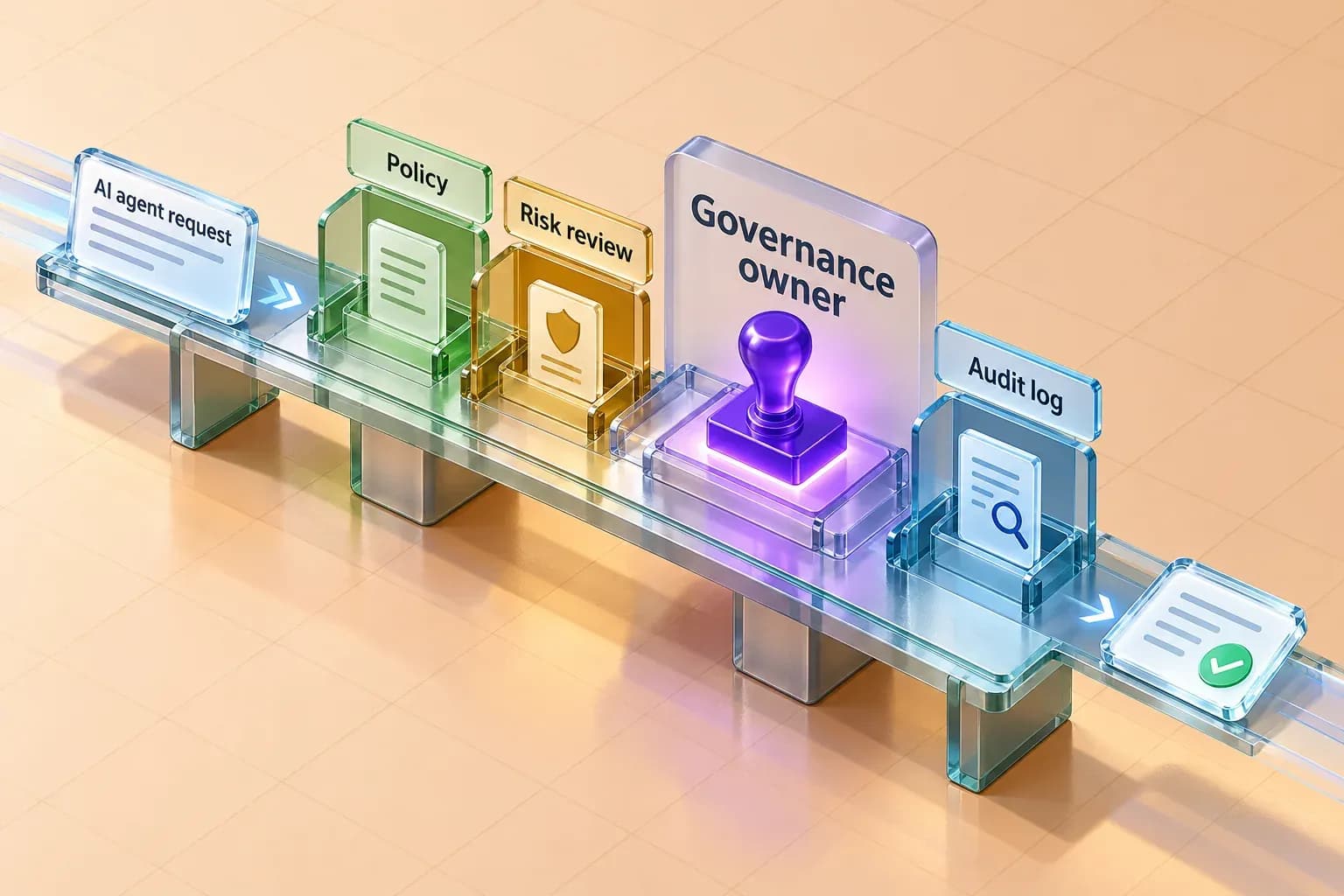
AI Governance Leadership: Who Owns It, And What The Role Does
AI governance leadership is not a framework document. It is a named person who owns the approval threshold, the escalation path and the review cadence, and a cadence that keeps running long after the policy is signed off.
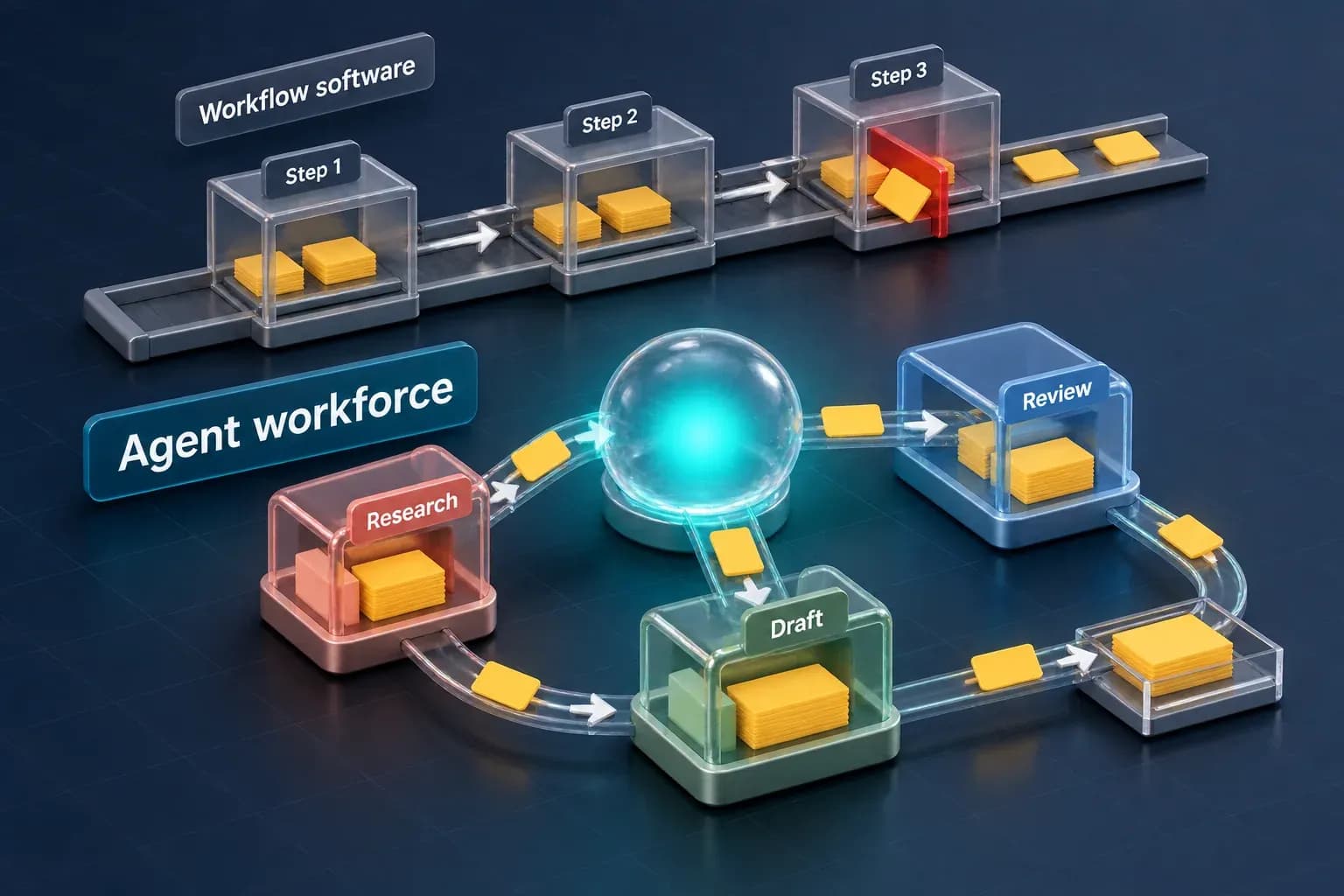
Workflow Software vs. AI Agent Workforces: The Real Difference
Workflow software runs fixed processes well but stalls on judgment calls. See where AI agent workforces pick up, and how to avoid duplicating your stack.
AI Agents News: What Enterprise Buyers Need to Track
Most ai agents news is vendor noise. Here is what enterprise buyers should actually track when evaluating, deploying, and governing AI agents this quarter.

Benefits of Robotic Process Automation for Operations Teams
Robotic process automation removes the manual, repetitive keystrokes inside a business process. The direct benefits are fewer manual errors, faster cycle times, a lower cost per transaction, and a clean audit trail of exactly what happened and when.
Agentic AI News: What's Actually Changing Right Now
Most agentic AI news is a product announcement with a new word attached to an old workflow. The real shift is smaller in headline count and larger in consequence: AI that acts instead of only answering.

Archon Studio vs Midjourney vs Runway: Different Layers, Not Competitors
Comparing an orchestration layer to a model is a category error, and it is why most AI creative studio comparisons are useless. Here is what each one actually does, and which problem each one solves.
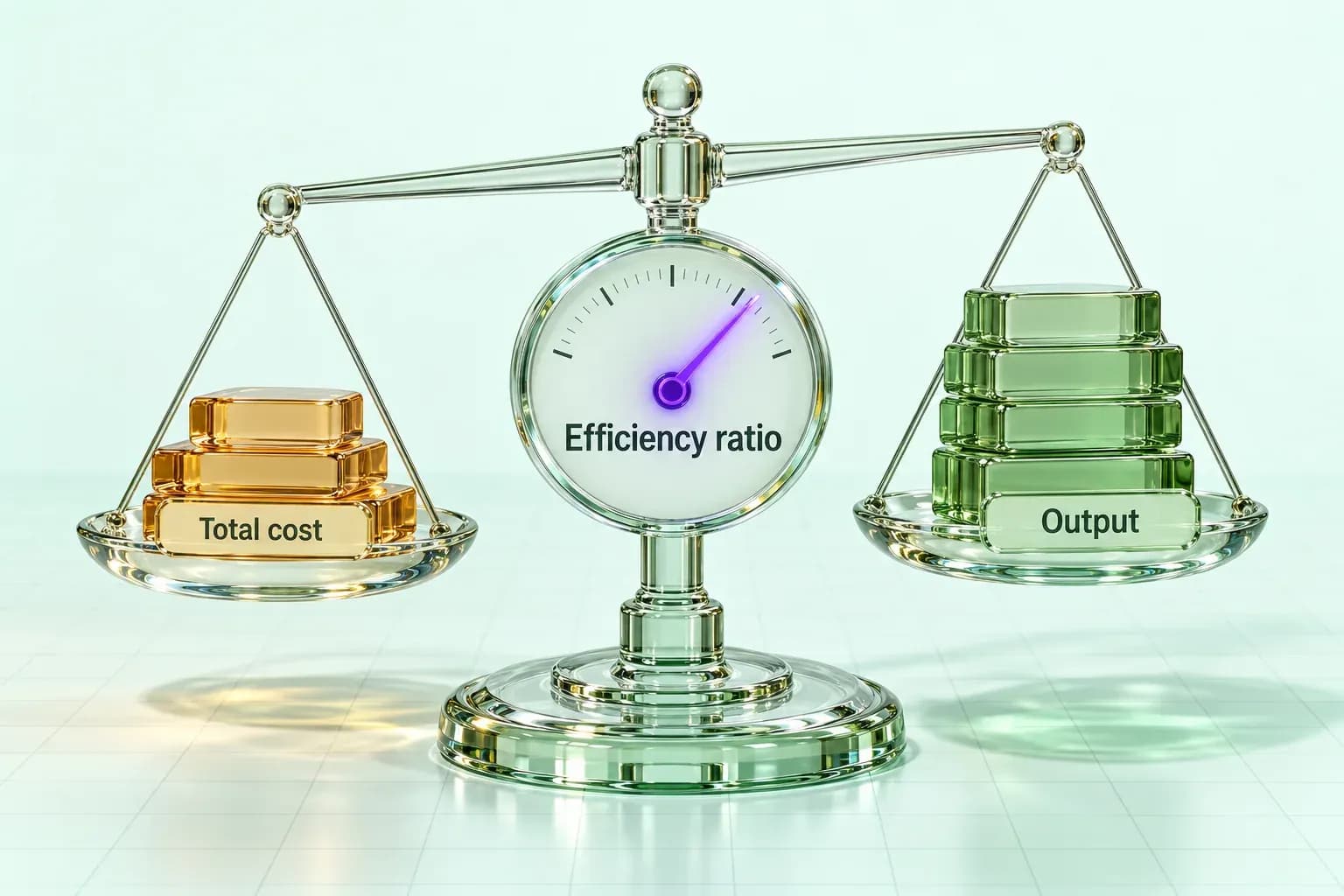
How to Measure AI Operational Efficiency Without Fooling Yourself
Most AI efficiency reporting measures activity, not efficiency. Here is the ratio that actually matters, the four metrics worth tracking against it, and the measurement mistakes that make a stalled deployment look like a win.

Agentic AI Governance Is a Control Plane, Not a Policy Document
Every governance guide tells you approval workflows and least privilege matter. Almost none show what those controls look like at runtime. Here is the operator version, mapped to NIST, ISO 42001, OWASP and the EU AI Act.

Zapier Alternatives in 2026: When You Need an Agent, Not a Zap
Most Zapier alternatives are the same product with a different price per task. Here is how the billing models actually compare, and how to tell when the job needs a goal-directed agent instead of another trigger.

How to Build a Content Engine with AI Agents
A content engine is a defined pipeline where agents own the mechanical stages and people own judgment. Here are the six stages, where the approval gate belongs, and what to measure.

Multi-Agent AI: How Archon Orchestrates 6 Specialist Agents
A multi-agent AI platform splits work across specialists and puts an orchestration layer above them. Here is how Archon coordinates six, and why most multi-agent systems never reach production.

AI Marketing Automation: From Campaigns to Content at Scale
AI marketing automation now spans campaign orchestration and content production, not just email drips. Here is what it automates in 2026, and where human approval belongs.

How Enterprise Teams Are Deploying AI Workforces in 2026
Most enterprise AI pilots never reach production. The teams that succeed in 2026 share a small set of deployment patterns. Here is what separates the 5 percent that works.
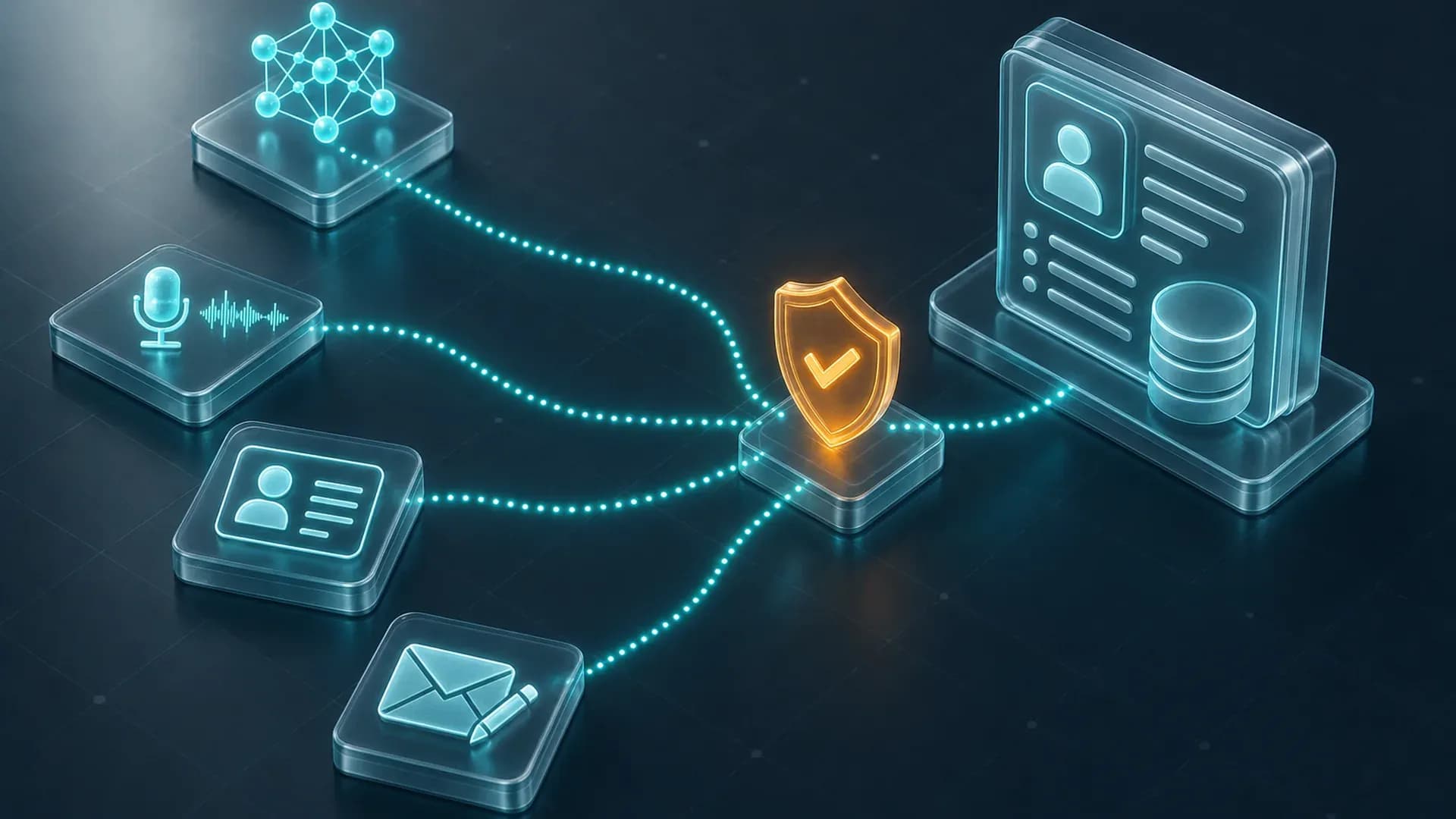
AI Sales Automation: Cut the Manual CRM Work
AI sales automation offloads the CRM busywork, logging, updates, enrichment, and follow-up drafts, so reps sell instead of maintaining records. Here is where it works.

Best AI Tools for Marketing Agencies in 2026
The AI tools worth a marketing agency’s time in 2026, organized by the job they do, plus how to combine them into one managed stack that ships client work.

AI Workflow Automation: The Complete Guide for Business Teams
What AI workflow automation is, where it pays off first, and how to move from automating one process to running production workflows across the business.

What Is an AI Agent Platform? (And Why It Matters in 2026)
An AI agent platform is where autonomous agents get their instructions, tools, guardrails, and audit trail. Here is what that means, and why it matters now.

The Managed AI Workforce: Why Output Beats Access
Enterprise leaders do not need another AI subscription. They need reliable business output, visible work, clear ownership, and a managed operating layer that ships.

SEO, GEO, and AIO: The New Search Workflow Needs Agents
Search is no longer one channel. Buyers discover brands through Google, answer engines, model summaries, social search, and industry-specific copilots. The workflow has to change.

The 90-Day Plan For Moving AI From Pilot To Production
Most AI pilots stall because they were never designed as operations. A 90-day plan creates ownership, controls, integrations, and measurable output from the start.

Why Enterprise AI Should Be Model Agnostic
No single model, cloud, or vendor should define the future of your AI operating layer. The winning stack routes each task to the right engine under the right policy.

Governed AI Agents Need Approval Queues And Audit Trails
Autonomy without governance is not enterprise-ready. The right architecture gives agents speed while keeping sensitive work reviewable, bounded, and accountable.
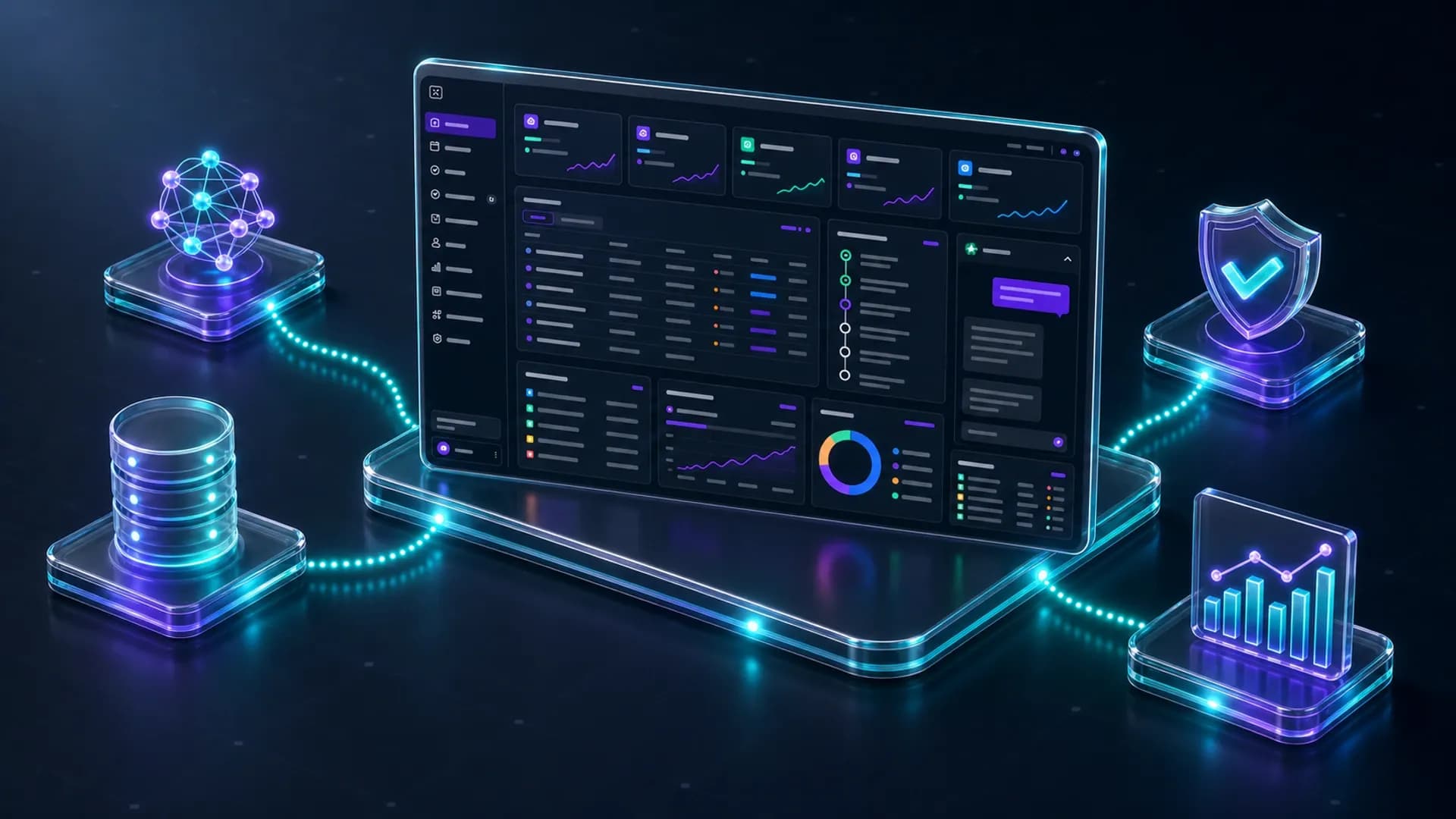
What A Client Command Center Should Show When AI Is Working
If AI is doing important business work, clients need more than a chat window. They need a command center that shows tasks, approvals, deliverables, usage, and status.
Newsletter
Join our newsletter.
Stay up to date on everything AI: new agent capabilities, model upgrades, and early access. No spam, ever.